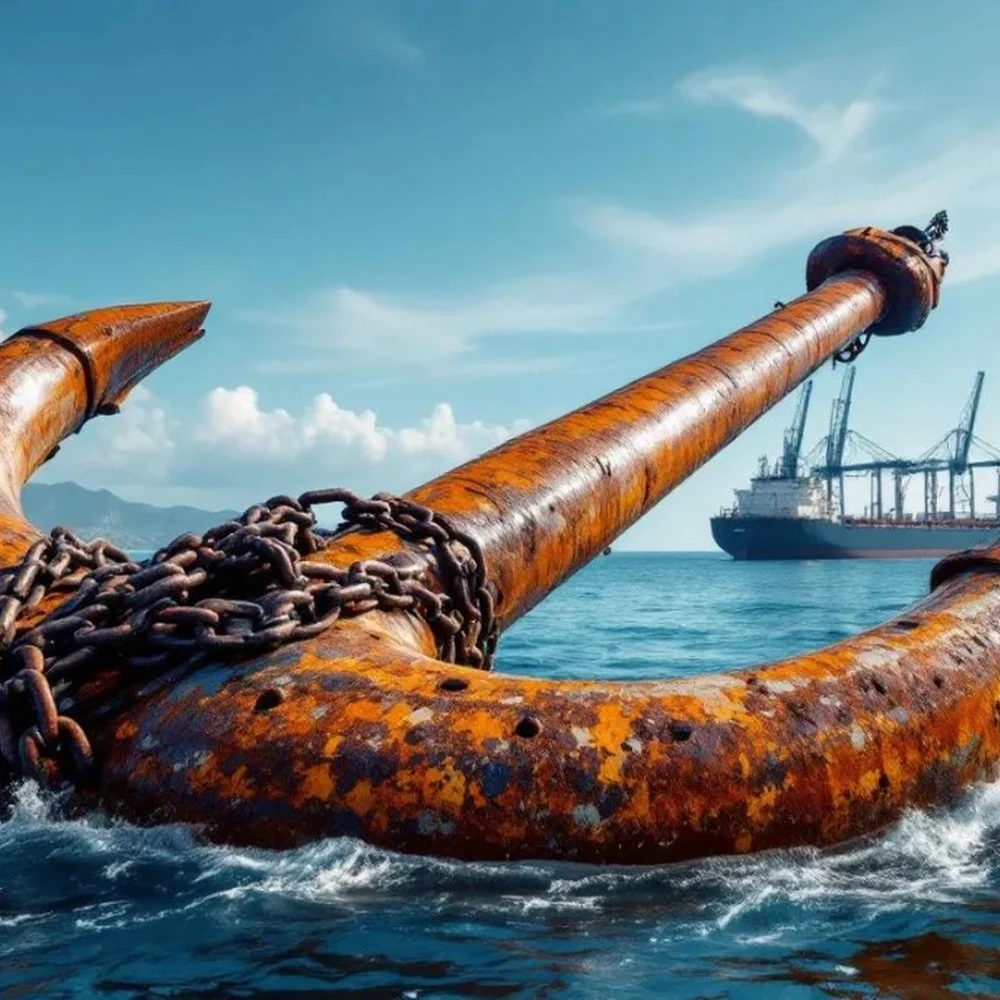
Croatia's Adriatic coast is one of the most fascinating maritime regions in the world. Anchoring here is not only a modern sailing activity, but a practice shaped over thousands of years by trade, empire, survival, and the deep relationship between people and the sea.
From prehistoric stone weights to regulated modern anchorages, the Croatian coast tells a story in which every sheltered bay had value, every harbor had a purpose, and every sailor had to understand where and how to stop safely.
Ancient beginnings: when rocks were anchors
Long before metal anchors existed, early sailors along the Adriatic coast relied on carved stones tied to ropes. Some of the oldest underwater discoveries in the region are prehistoric stone anchors found near island harbors, proving that stable anchoring was already essential in the earliest phases of Adriatic seafaring.
- Stone anchors were practical, heavy, and suited to small early vessels
- Natural coves were critical because safe seabed conditions mattered as much as shelter from wind
- The Illyrians and other early coastal communities depended on protected bays across what is now Croatia
Greek and Roman harbors changed everything
When Greek settlers arrived on the eastern Adriatic, they introduced more structured port culture. Settlements such as Issa, on modern-day Vis, helped improve navigation and stopping points along the coast. Later, Roman maritime systems transformed anchoring even further.
Iron anchors with flukes became standard, allowing ships to hold more firmly in deeper water and in more demanding conditions. Roman ships crossing between Italy and the eastern Adriatic often used the island network around today's Hvar as a naturally protected overnight anchoring zone during unstable weather.
Ports near present-day Split became part of a highly organized trade network, where anchoring was no longer just a survival technique, but an essential part of imperial logistics.
Medieval control, quarantine, and strategic waters
During the Middle Ages, the Adriatic was a contested maritime highway. Venice, Byzantium, and Croatian rulers all competed for influence, while cities such as Zadar and Dubrovnik became major trade and anchoring hubs.
In Dubrovnik, ships often had to anchor outside the harbor and wait for permission to enter. This was not only a logistical measure, but also part of a quarantine system designed to protect the city from disease. The Republic of Ragusa became known for advanced maritime regulation, and anchoring rules played a direct role in protecting both commerce and public health.
Storms, seamanship, and the culture of safe anchoring
From the 16th to the 18th century, anchoring across the Adriatic became even more closely tied to survival. The sudden bura wind could appear without warning, and crews needed exact knowledge of seabeds, shelter, and local geography. A badly chosen anchorage could end in disaster.
Traditional Croatian wooden vessels such as the trabakul often carried more than one anchor, because sailors had to adapt quickly to different depths and bottom conditions. Many bays still used by modern sailors were already known centuries ago as dependable safe points.
- Knowledge of wind and seabed was part of everyday seamanship
- Multiple anchor sizes gave crews flexibility in changing conditions
- Safe anchorages were passed on through practice, memory, and local maritime culture
Modern Croatia: freedom with responsibility
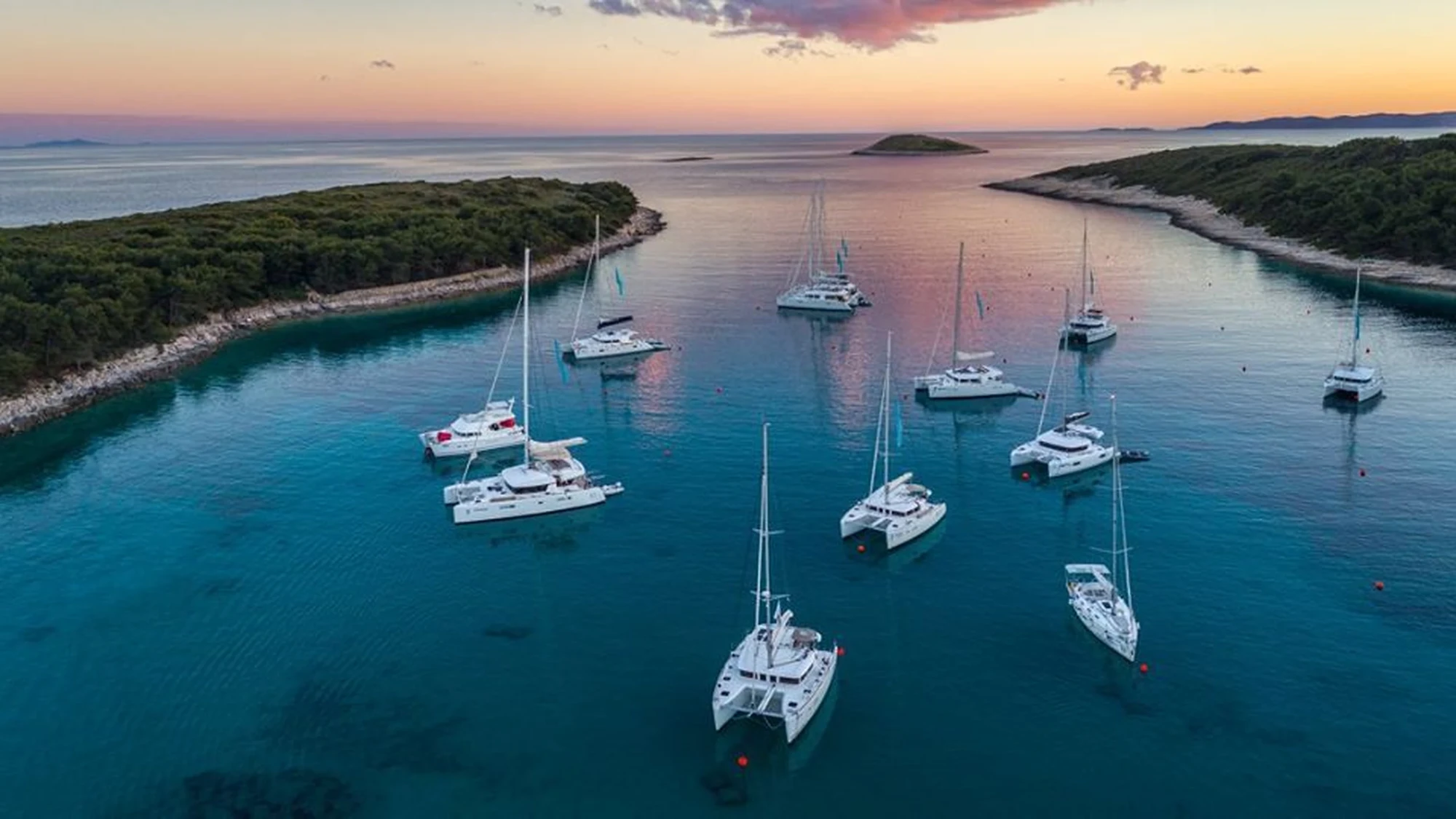
Today, anchoring in Croatia still carries that same sense of freedom, but it is increasingly balanced with environmental care. Sailors can still enjoy remote coves and wild scenery, yet in many areas mooring buoys help reduce damage to sensitive seabeds.
The waters around Šibenik show this balance well, where natural anchorages exist alongside protected marine zones. One of the special qualities of Croatia is that you can spend the morning anchored in a quiet bay and the evening in a fully serviced marina, without ever leaving the island world of the Adriatic.
Across the endless blue of the sea, anchoring remains one of the most iconic ways to experience Croatia's coastline—where history, nature, and adventure still meet every single day.